Flow, Form, and Electric Speed
Dive into aerodynamics and exterior styling for flagship EVs, where body kits, carbon fiber, and custom paint converge to shape efficiency, identity, and emotion. We’ll connect wind-tunnel logic with driveway practicality, blending measurable range gains with expressive design choices that still respect sensors, warranties, and safety. Expect real examples, maintenance tips, and a creative framework for crafting an electric silhouette that glides through air and turns heads without sacrificing comfort or confidence.
Cd, A, and Real-World Range
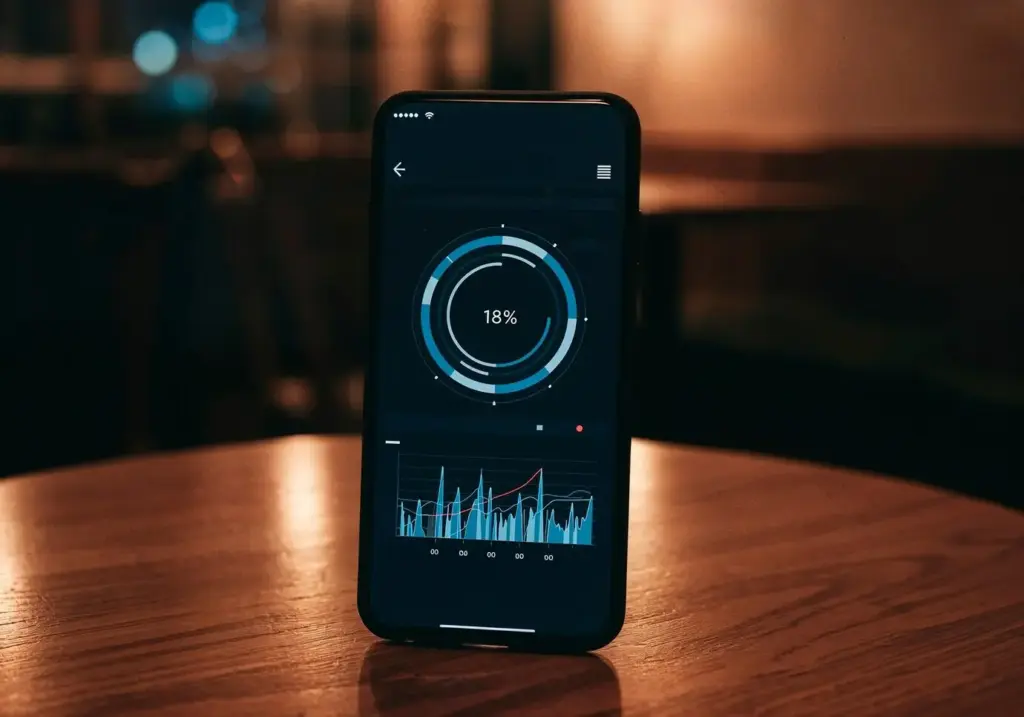
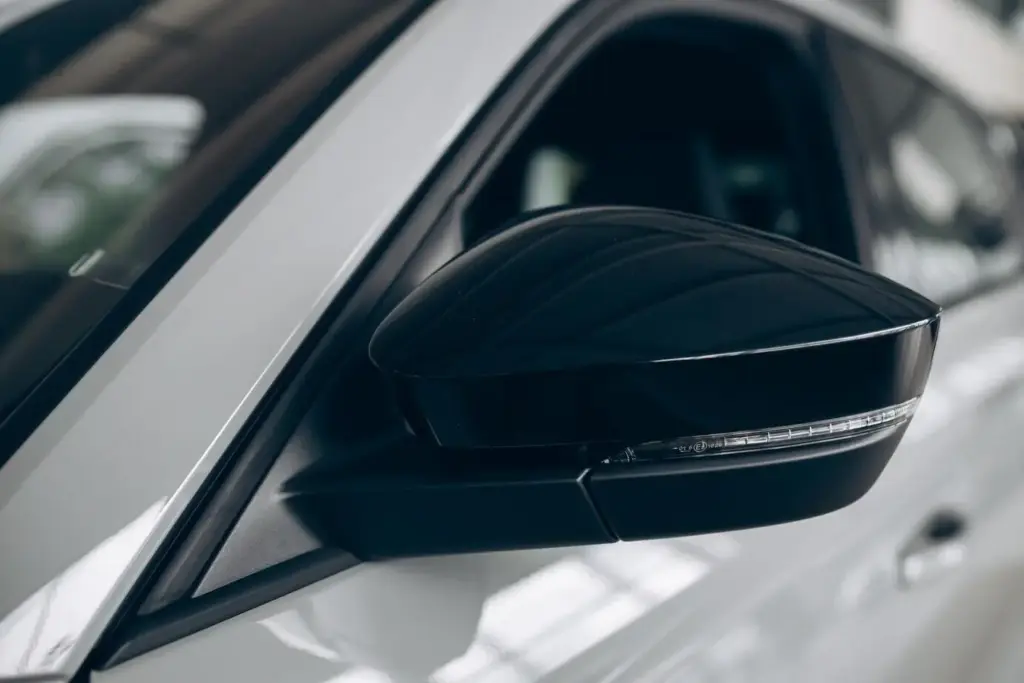
Drag is more than a number—Cd and frontal area multiply into tangible energy demand, especially at highway speeds where aerodynamic forces dominate. By minimizing exposed vortex generators and cleaning mirror shapes, you reduce wake size without complicating maintenance. Owners often report quieter cabins and steadier steering in crosswinds after modest changes that respect tire width, wheel design, and fairings, proving calm airflow can deliver comfort alongside added miles.
Underbody, Diffusers, and Battery Cooling
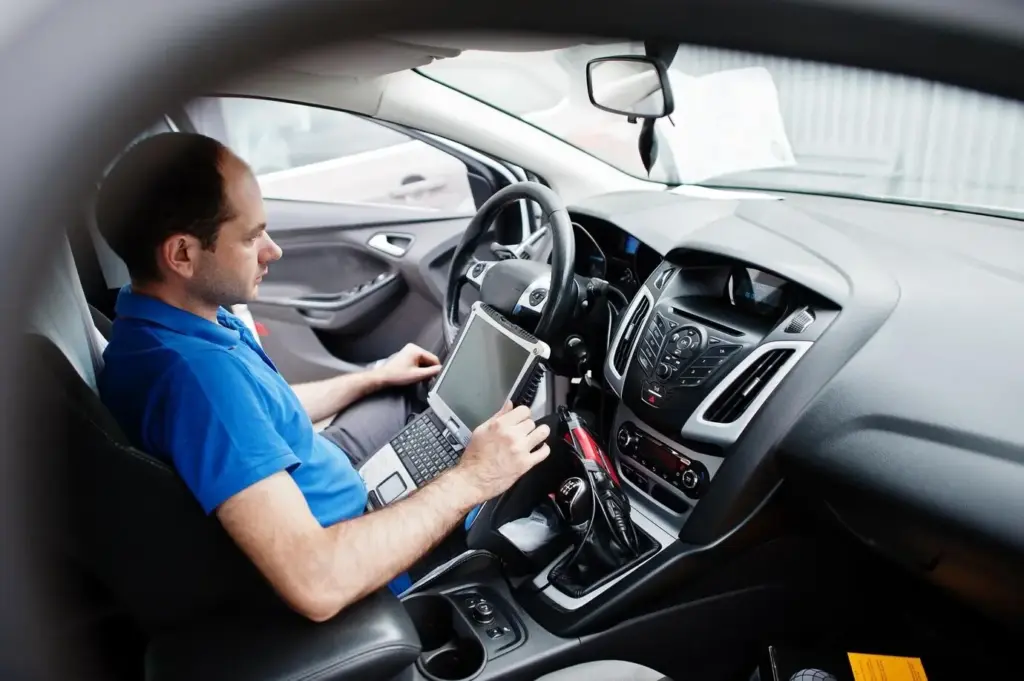
A smooth underbody is an EV advantage, but it must coexist with battery thermal management. Well-contoured panels and a correctly angled diffuser help accelerate flow, lower pressure, and stabilize rear-end behavior. Keep in mind service access, heat shields, and drainage paths to handle road grime and water. Thoughtful mounting with captive hardware prevents warping over time, while non-conductive fasteners around sensor harnesses protect sensitive electronics from errant vibrations and corrosion.
Body Kits That Work Hard, Not Just Look Sharp
Body kits can add precision to airflow when their geometry complements the car’s original lines. Look for designs validated by either CFD or track testing, not just dramatic edges. Proper fitment avoids gaps that whistle or trap grit, and materials matter—ABS or polyurethane flex more gracefully, while composite parts demand accurate mounting. Choose pieces that protect sensors and allow routine service so beauty never blocks necessary diagnostics or emergency access.
Carbon Fiber, Composites, and Responsible Lightness
Carbon fiber offers stiffness, weight savings, and crisp textures, yet it must be chosen wisely. Cosmetic overlays differ from structural components; each demands appropriate resins, UV protection, and mounting strategies. Think beyond glamour: reinforcement plates, captive nuts, and sealants prevent rattles, while clear coat with UV inhibitors protects expensive weaves. Responsible choices include recycled fibers, natural-fiber hybrids, and repair plans that preserve both safety and the investment over years of use.
Color Psychology for Electric Flagships
Cool metallic blues suggest serenity and tech confidence, while deep garnets exude authority without shouting. Two-tone roofs visually lower stance, and subtle pinstripes echo aerodynamic sweep. Owners often describe feeling calmer during long commutes when hues harmonize with interior lighting. Consider urban glare and regional weather—muted tones hide dust, brighter finishes enhance visibility. Pair pigments with wheel finishes and caliper accents, ensuring your design reads as intentional from every approach angle.
Layering: Primers, Sealers, and Clear Coats

Great finishes start with clean panels, feathered edges, and controlled humidity. Epoxy primers lock down repairs, sealers unify color, and base coat coverage must be consistent under multiple lighting sources. Pearls or flakes require even gun speed to avoid mottling. Finish with high-solids clear, then level and polish gently after full cure. Maintain factory sensor apertures, and keep coatings thin around emblems to prevent haloing or distorted ultrasonic reflections during parking maneuvers.
Protective Films, Ceramics, and Maintenance

Self-healing PPF absorbs daily scuffs on bumpers, sills, and mirror caps, while ceramic coatings simplify wash routines. Map film seams along natural body breaks so edges disappear visually. After application, allow adhesives to settle before high-pressure washes. Use pH-neutral soaps, plush mitts, and filtered water to avoid spotting. Seasonal decontamination removes embedded iron and road tar, preserving gloss. Document products and intervals—future detailers will match chemistry, preventing streaking or dulled areas over time.
Testing, Data, and Road-Legal Peace of Mind

CFD to Reality: Avoiding Digital Mirage
Computer simulations guide concepts, but meshing, boundary conditions, and ride height assumptions can skew predictions. Validate with prototype parts, smoke wands, and flow-vis films where safe. Real roads add crosswinds, trucks, and rain that expose sensitivities quickly. Adjust angles and edges incrementally, then retest. Capture energy use at steady speeds and compare weather-matched days. Treat every change like a hypothesis, celebrating small, consistent gains that compound into meaningful range and stability benefits.
DIY Experiments: Tufts, Pressure Taps, and Apps
Yarn tufts taped to key areas reveal separation and reattachment points visually. Low-cost pressure sensors inside wheel wells and trunk gaps help trace leaks or lift. Combine with GPS-based speed hold and wind data from local stations to normalize results. Share charts with your community for feedback. You’ll spot patterns, like unexpected vortex shedding near license frames, and refine solutions faster while staying grounded in humble, evidence-driven progress instead of speculation.
Regulations, Insurance, and Sensor Health
Before installing protruding canards or aggressive lips, review local laws for pedestrian impact zones and height rules. Keep radar and ultrasonic windows free of metallic paints or thick films. After bumper swaps, schedule sensor recalibration to preserve emergency braking and parking aids. Inform insurers about modifications, providing part documentation and professional invoices. Clear records reduce disputes and support fair valuation. Ultimately, compliance safeguards your investment and protects people sharing the road with your creation.

Design Language, Brand Identity, and Community
Great styling honors the original design while confidently evolving it. Echo signature lighting, champion proportion, and let subtle aero edges feel inevitable, not tacked on. Pair engineering rigor with narrative—why this curve, this texture, this color under sunset? Community meetups, forums, and build threads amplify learning, while respectful debate polishes ideas. Invite feedback, share data, and celebrate milestones, building a circle where craftsmanship, empathy, and curiosity shape every electric mile ahead.

All Rights Reserved.